5 Pitfalls in Carbon Credit Validation and How to Avoid Them
Introduction
Carbon markets are growing at an unprecedented pace, with billions of dollars flowing into projects that promise to reduce or remove greenhouse gas emissions. At the heart of these markets lies carbon credit validation—the process of ensuring that each credit represents a real, measurable, and additional reduction in emissions.
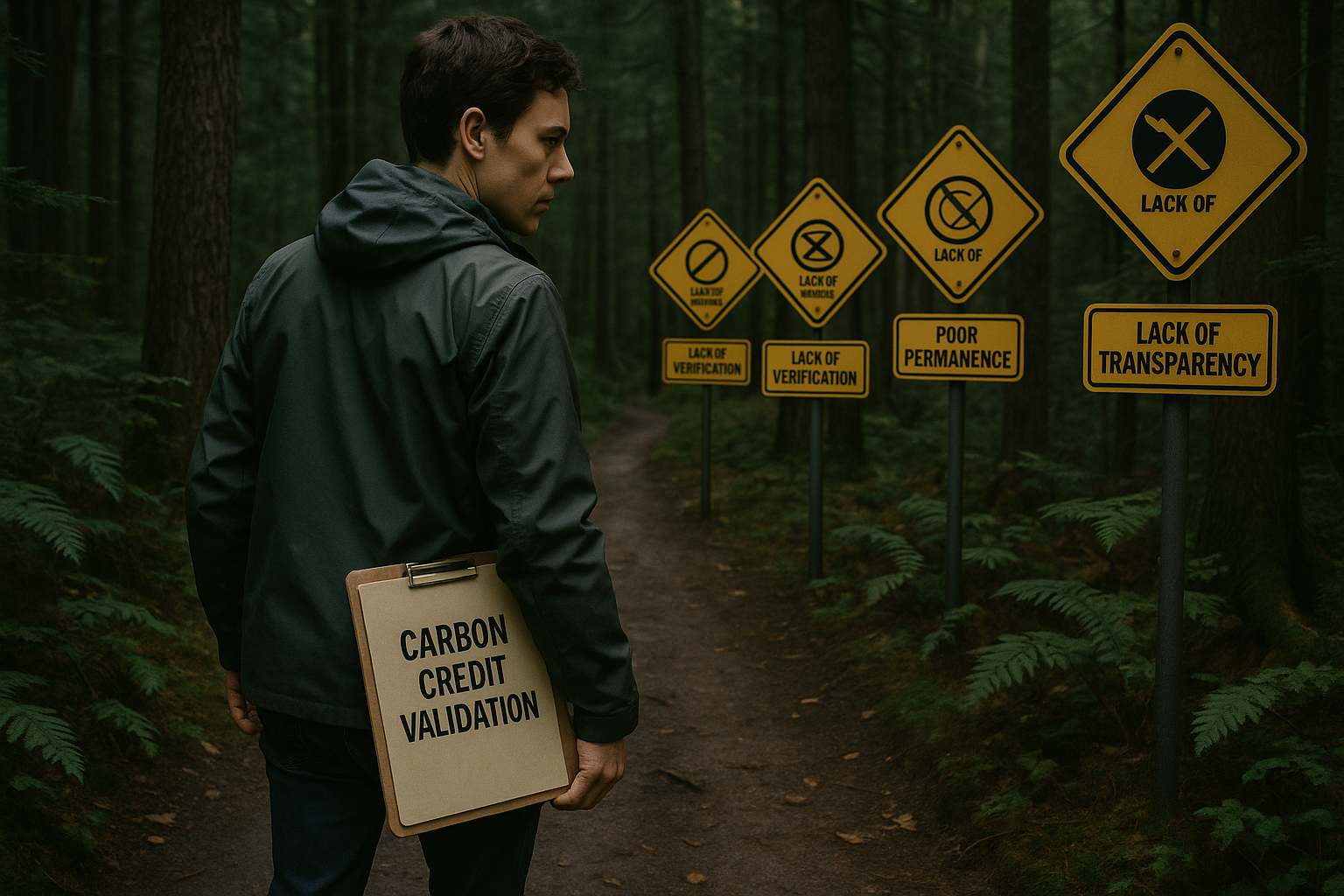
But as the sector matures, one reality has become increasingly clear: not all carbon credits are created equal. Instances of poor validation have led to accusations of “greenwashing,” reputational damage for buyers, and skepticism about the true impact of offsetting programs. For registries, project developers, and investors, avoiding these pitfalls is critical to ensuring market credibility.
This article explores the five most common pitfalls in carbon credit validation and provides a roadmap for overcoming them.
1. Incomplete or Inaccurate Baseline Data
Why It Matters:
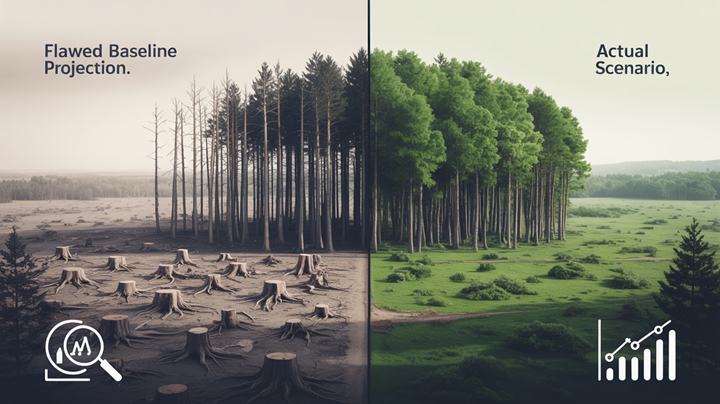
The baseline is the “business-as-usual” scenario—what emissions would have been in the absence of the project. If this baseline is flawed, all subsequent crediting is compromised. A weak baseline risks issuing phantom credits for reductions that never occurred.
Example:
In some forestry projects, baselines have been set assuming rapid deforestation that never materialized. When actual deforestation rates were lower than predicted, the project ended up claiming credits for emissions that were not really avoided.
How to Avoid It:
Use multiple data sources: Combine remote sensing, satellite imagery, and historical land-use data to establish a credible baseline.
Adopt dynamic baselines: Update baselines periodically to reflect changes in land use, policy, or technology.
Independent review: Have third-party experts review baseline assumptions before validation.
2. Overestimation of Carbon Reductions
Why It Matters:
Over-crediting is one of the biggest threats to market integrity. Inflated claims may boost short-term returns but erode trust when the promised reductions fail to materialize. This undermines both project credibility and confidence in the broader carbon market.
Example:
Energy efficiency projects sometimes assume that all installed equipment will operate at peak efficiency for its full lifespan. In reality, operational issues and maintenance lapses often reduce savings, leading to inflated credit issuance.
3. Weak MRV (Measurement, Reporting, Verification) Systems
How to Avoid It:
Apply conservative assumptions: Use lower-bound estimates when calculating reductions.
Incorporate uncertainty buffers: Dedicate a percentage of credits to a reserve pool as insurance against overestimation.
Ongoing monitoring: Validate actual performance against predicted outcomes on an annual or biannual basis.
Why It Matters:
MRV is the backbone of carbon market credibility. If emissions reductions cannot be accurately measured, reliably reported, and independently verified, then the credits lose their legitimacy. Weak MRV systems create loopholes for fraud, inconsistencies, and inaccuracies.
Example:
A cookstove project reported reductions based on the number of stoves distributed rather than actual usage. Independent verification later revealed that many stoves went unused, undermining the project’s claimed impact.
How to Avoid It:
Leverage technology: Incorporate IoT sensors, remote sensing, drones, and AI analytics to collect real-time data.
Standardize reporting: Adopt internationally recognized reporting templates and methodologies.
Third-party audits: Engage accredited verifiers to ensure impartial oversight.
Transparency portals: Publish MRV data online for public scrutiny, where appropriate.
4. Insufficient Permanence and Leakage Controls
Why It Matters:
Carbon credits must represent long-term or permanent reductions. If stored carbon is later released, the credit becomes meaningless. Additionally, emissions reductions in one area should not cause leakage—shifting the emissions problem elsewhere.
Example:
In forestry projects, if communities are restricted from cutting trees in one area but simply move their logging activities to another, the net impact may be negligible. Similarly, wildfires can wipe out decades of sequestration efforts in a matter of weeks.
How to Avoid It:
Buffer pools: Allocate a portion of credits into a reserve pool to offset future losses from non-permanence.
Insurance mechanisms: Explore risk-sharing instruments to cover reversal events.
Comprehensive monitoring: Extend monitoring beyond the project boundary to detect leakage.
Adaptive management: Adjust project strategies as new risks (such as climate-driven wildfires) emerge.
5. Lack of Transparency and Stakeholder Engagement
Why It Matters:
Carbon markets thrive on trust. Without transparency in data, methodologies, and governance, skepticism grows. Furthermore, excluding local communities from decision-making not only poses ethical concerns but can also jeopardize project longevity.
Example:
Several REDD+ projects have faced criticism for failing to consult with indigenous communities, leading to conflict, loss of social license, and questions about the legitimacy of issued credits.
Conclusion :
How to Avoid It:
Open data platforms: Make project documentation, methodologies, and MRV data publicly accessible.
Stakeholder consultations: Involve local communities, NGOs, and independent experts in project design and validation.
Regular communication: Provide accessible updates to buyers and stakeholders on project progress and challenges.
Carbon credit validation is more than a technical requirement-it is the foundation of trust in carbon markets. By addressing the pitfalls of flawed baselines, inflated claims, weak MRV, permanence risks, and poor transparency, stakeholders can safeguard the integrity of the entire system.
The Path Forward:
Embrace technology for more accurate monitoring.
Adopt conservative assumptions to ensure credibility.
Foster open dialogue with stakeholders.
Build redundancy into systems to address risks of non-permanence.
Carbon markets are poised to play a critical role in achieving global climate goals. But their success depends on one thing: integrity. By learning from past mistakes and implementing robust validation practices, we can ensure carbon credits deliver real, lasting climate impact.