Digital MRV and the Future of Climate Accountability
Introduction
As carbon markets scale, the demand for robust Measurement, Reporting, and Verification (MRV) systems is skyrocketing. Traditional MRV, based on manual data collection, static methodologies, and periodic third-party audits, is no longer enough. Stakeholders now expect real-time, reliable, and cost-efficient verification of carbon reductions.
This is where artificial intelligence (AI) is becoming a game-changer. By automating data analysis, detecting anomalies, and integrating multiple data streams, AI is enabling the next generation of MRV systems—making them smarter, faster, and more trustworthy.
1. Why Traditional MRV Is No Longer Enough
Slow & Expensive: Manual field surveys can take months and consume up to 30% of project budgets.
Infrequent: Audits are often conducted annually, leaving gaps where discrepancies can go unnoticed.
Opaque: Data is rarely shared publicly, undermining trust among buyers and regulators.
Scale Limitations: Hard to apply across millions of hectares or thousands of smallholder projects.
Result: A credibility gap that threatens the legitimacy of voluntary carbon markets.
2. What Is Digital MRV?
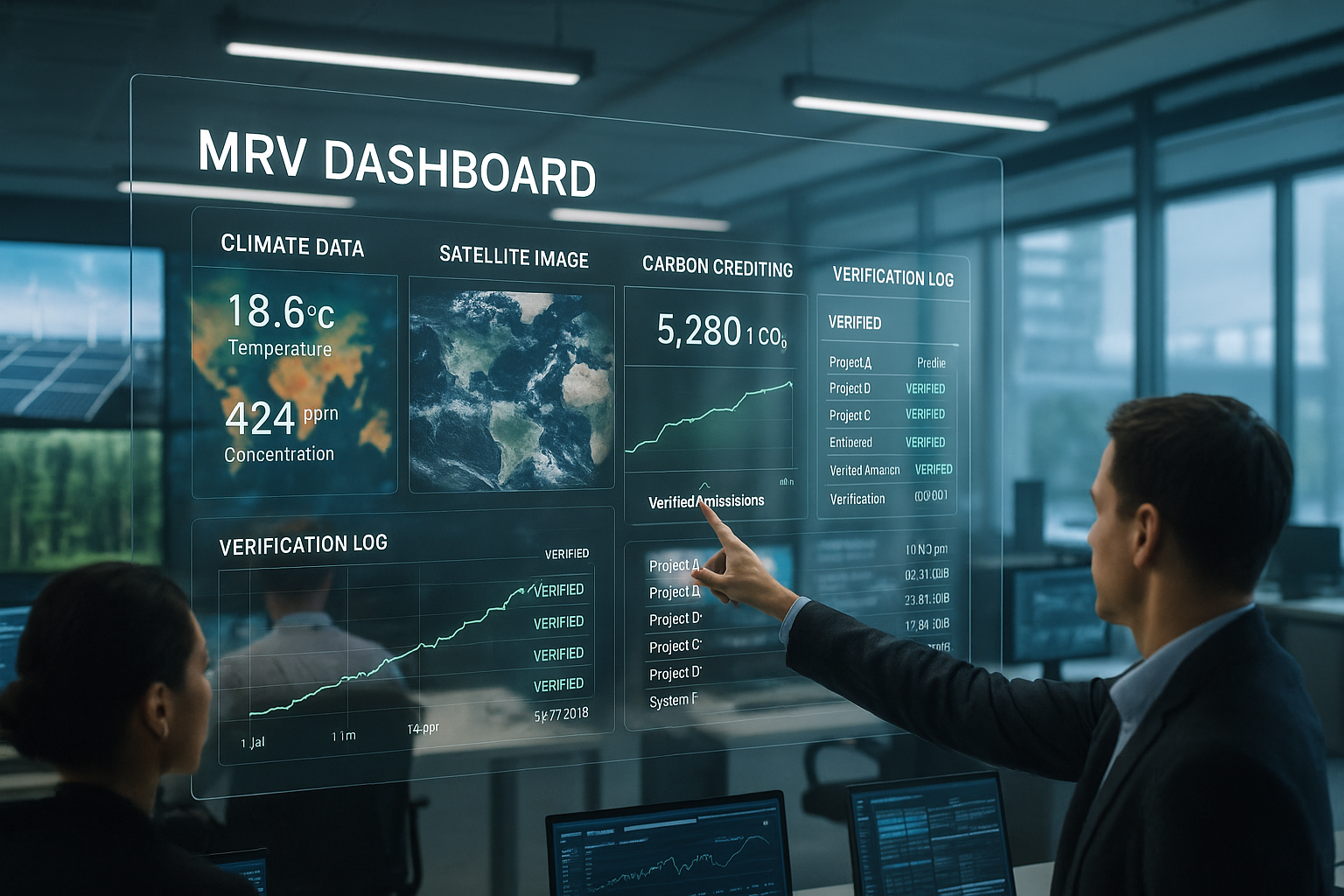
Digital MRV (dMRV) refers to the use of technology-driven systems to automate and enhance MRV processes. It integrates:
Remote Sensing: Satellites and drones tracking land cover, biomass, and ecosystem health.
IoT Sensors: Ground-based devices measuring soil carbon, methane emissions, or renewable energy output.
Artificial Intelligence (AI): Machine learning models analyzing large datasets to detect changes and predict trends.
Blockchain: Immutable ledgers that record MRV data and ensure tamper-proof reporting.
Together, these tools create real-time, transparent verification systems that reduce costs and enhance trust.
3. Applications of Digital MRV
1.Forestry & Land Use Projects
Satellites track forest cover changes, while Lidar and AI estimate biomass with high precision. Fires, logging, or degradation can be detected within days.
Case Example: The NICFI satellite program provides free high-resolution tropical forest imagery, enabling transparent monitoring of REDD+ projects.
2.Agriculture & Soil Carbon
IoT soil sensors and AI models estimate carbon sequestration across large farming landscapes, reducing reliance on costly soil sampling.
Case Example: Projects in regenerative agriculture use drone imagery combined with AI to monitor soil organic carbon and crop health.
3.Renewable Energy Projects
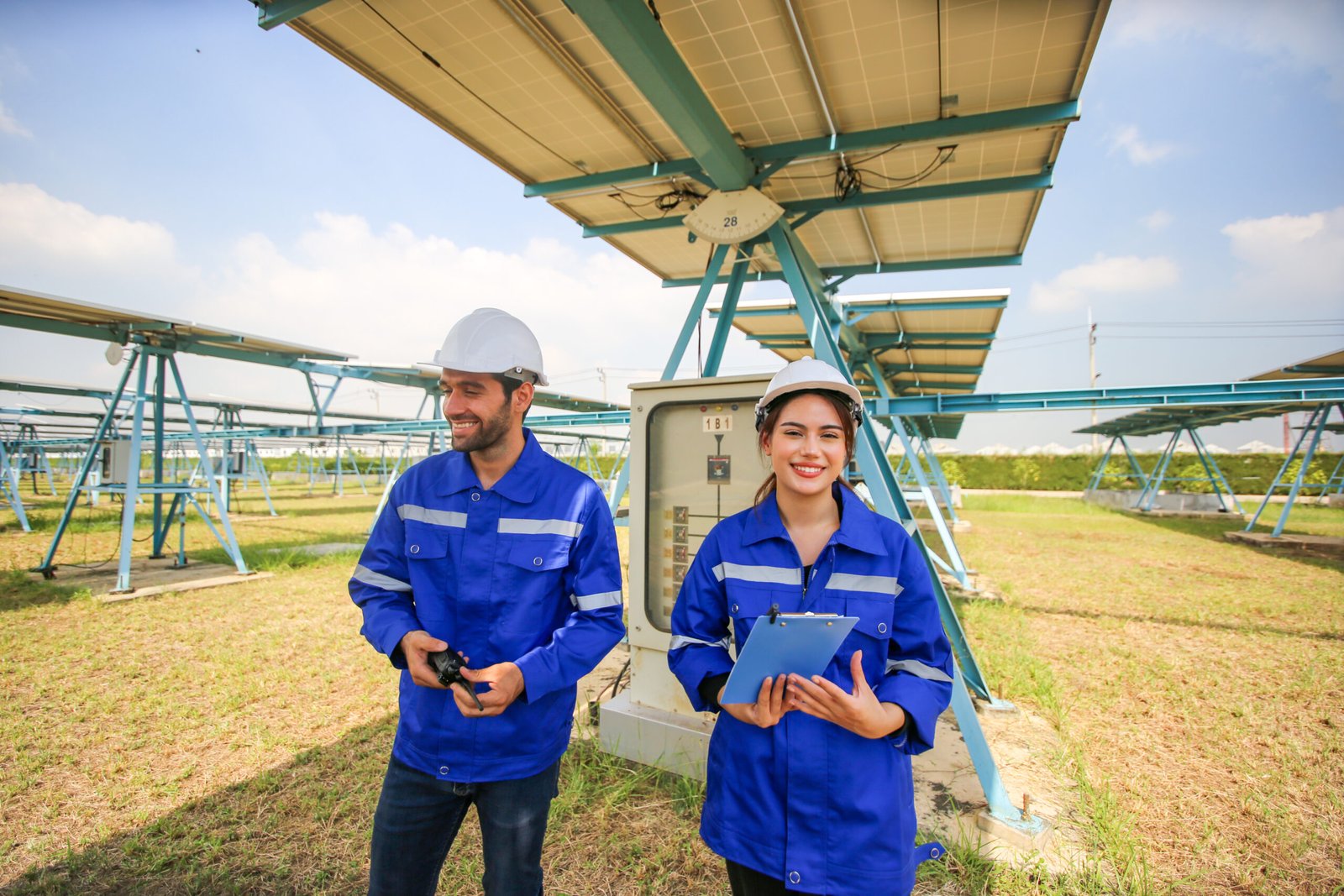
Smart meters feed real-time energy generation data into registries, providing verifiable evidence of emissions reductions.
4.Industrial Carbon Removal
Direct air capture facilities integrate sensors that continuously measure captured CO₂, ensuring precise credit issuance.
4. Benefits of Digital MRV
Accuracy: Reduces human error and improves precision in measurements.
Speed: Near real-time verification instead of long audit cycles.
Transparency: Public dashboards or blockchain records enhance trust.
Cost Efficiency: Lowers monitoring costs, making small projects viable.
Scalability: Enables monitoring of global projects simultaneously.
Regulatory Alignment: Supports compliance with ICVCM, Article 6, and national reporting frameworks.
5. Challenges and Risks
Data Quality: Garbage in, garbage out—poor satellite data or faulty sensors can undermine accuracy.
Standardization Gaps: No universal protocols yet for digital MRV across project types.
Equity Concerns: Small developers may struggle with costs of digital tools without financial support.
Technology Risks: Blockchain and AI bring cybersecurity and “black box” concerns.
Over-Reliance on Tech: Ground truthing is still needed; digital tools should complement, not replace, local validation.
6. Case Studies & Emerging Leaders
Verra & Gold Standard: Both are piloting dMRV frameworks with tech partners.
Microsoft & Pachama: Using AI and satellite imagery to validate forestry credits for corporate net zero.
Regen Network: Combining IoT, satellite data, and blockchain for nature-based credits.
SilviaTerra (NCX): Leveraging remote sensing and big data to create scalable forest carbon programs.
These examples show that digital MRV is no longer experimental—it’s already being deployed at scale.
7. The Future of Climate Accountability
By 2030, expect dMRV to become the default standard for carbon markets:
Integration with Registries: Credits linked directly to real-time MRV data.
AI-Driven Predictions: Anticipating permanence risks (fires, droughts, land-use change) before they occur.
Global Interoperability: Shared data platforms connecting registries, governments, and investors.
Beyond Carbon: Tracking biodiversity, water, and social co-benefits alongside carbon.
Ultimately, dMRV will transform registries from record-keepers into living climate ledgers, where every credit can be traced to verified, real-world impact.
8. Best Practices for Registries & Developers
Adopt Hybrid Models: Combine digital MRV with selective ground-truthing.
Collaborate on Standards: Engage in ICVCM, VCMI, and ISO efforts to harmonize protocols.
Build Accessibility: Subsidize digital MRV for smallholder projects.
Prioritize Transparency: Publish dMRV data openly where possible.
Invest in Cybersecurity: Ensure data integrity against hacking or manipulation
Conclusion
Digital MRV is not just a technological upgrade—it is a paradigm shift in how carbon markets ensure accountability. By reducing costs, increasing transparency, and enabling scale, dMRV addresses the credibility crisis that has long plagued voluntary markets.
The future of carbon markets will be digital, and registries that embrace dMRV will lead the way.
The takeaway: Digital MRV is the key to building carbon markets the world can trust—and scaling them to the size the planet needs.